
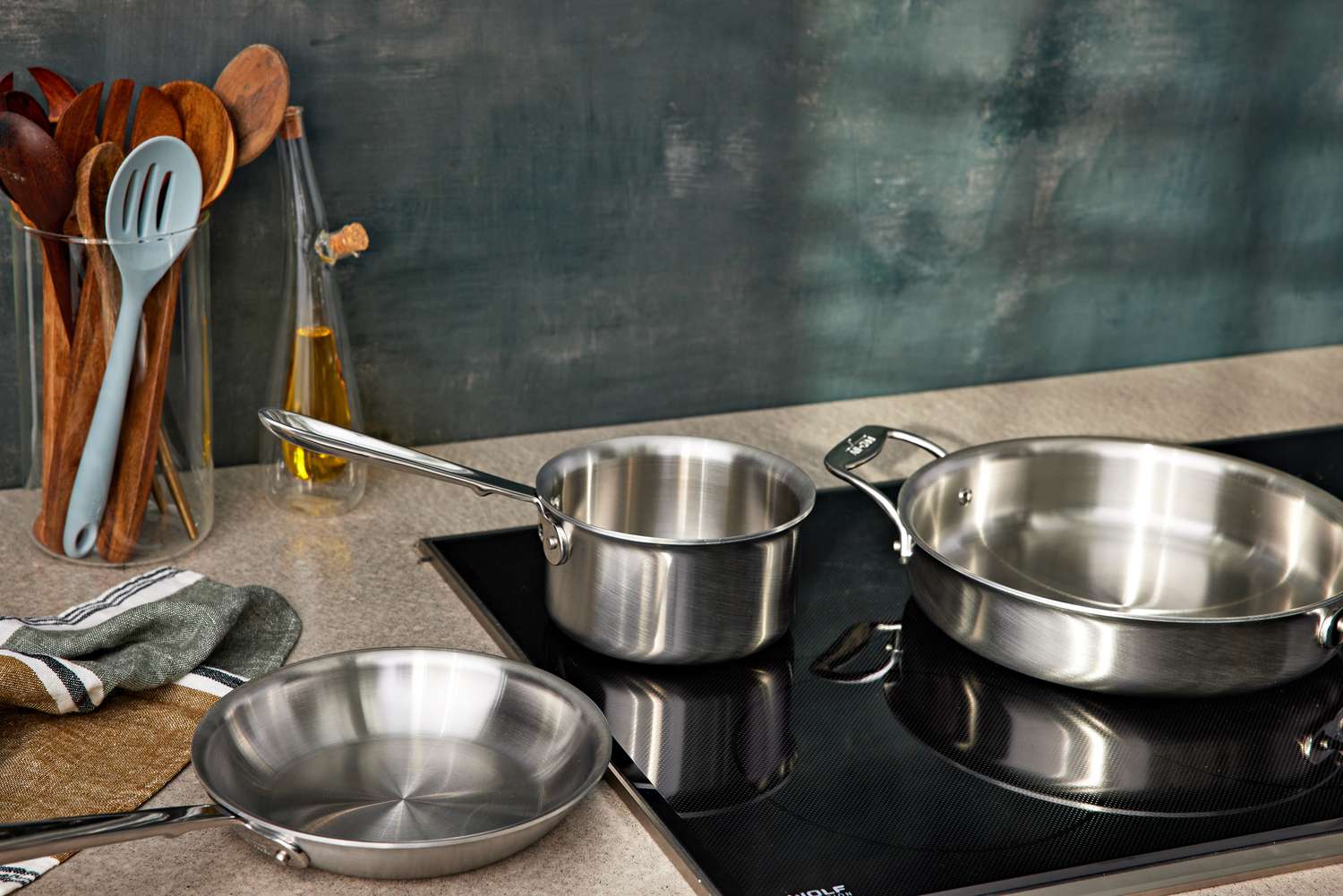
Brushed stainless steel cookware has a textured finish, while stainless steel cookware has a smooth, polished surface. Their differences lie in aesthetics and potential for surface scratches, but both are durable and suitable for cooking.
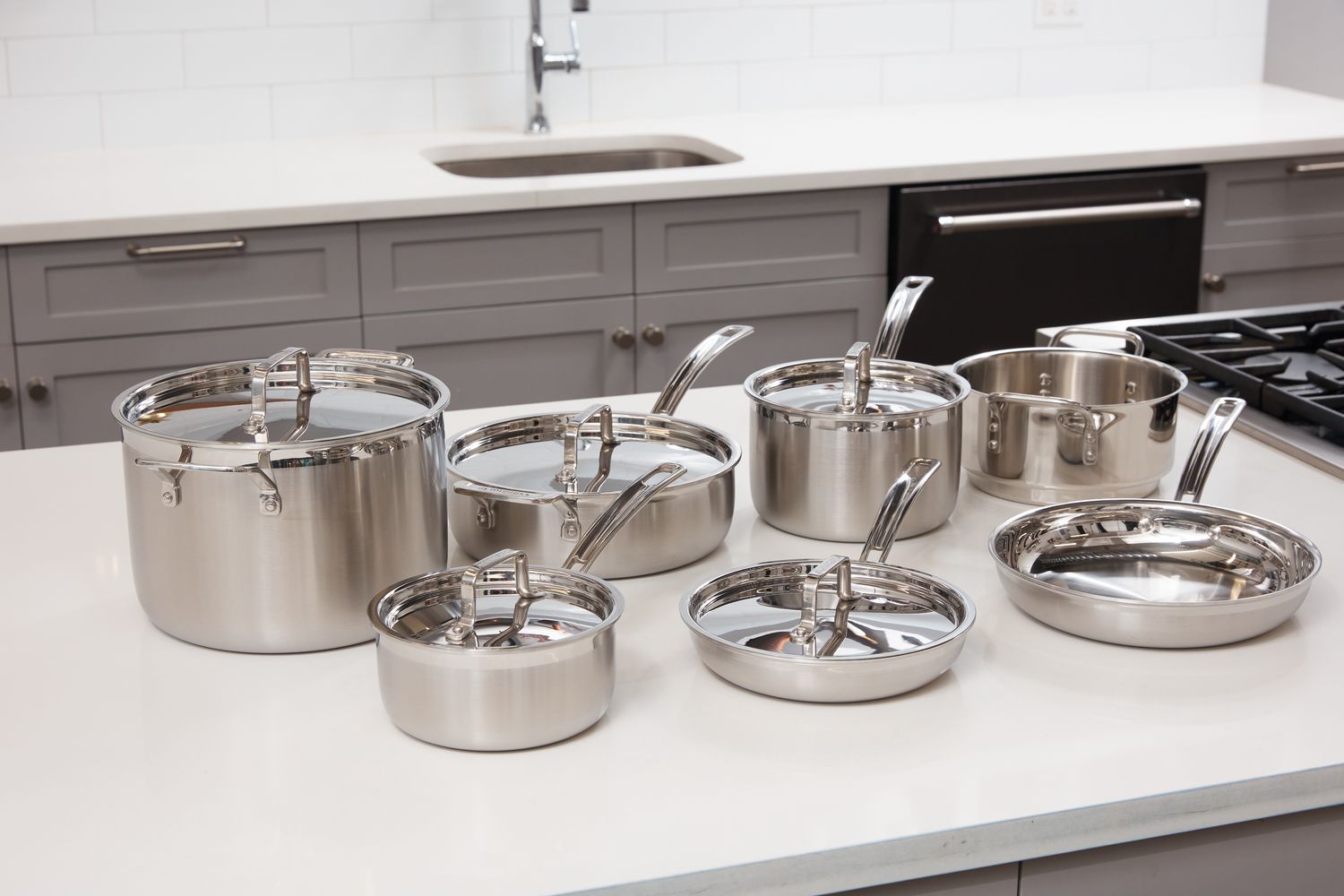
Credit: www.allrecipes.com
Brushed Stainless Steel Cookware: Pros And Cons
When it comes to choosing cookware for your kitchen, stainless steel is a popular and reliable option. But within this category, you have the option of going for brushed stainless steel cookware. In this section, we will explore the advantages and disadvantages of using brushed stainless steel cookware, helping you make an informed decision for your culinary needs.
Advantages Of Using Brushed Stainless Steel Cookware
Brushed stainless steel cookware offers several benefits that make it a preferred choice for many home cooks and professional chefs alike. Let’s delve into these advantages:
- Excellent heat conductivity and retention: Brushed stainless steel cookware is known for its superb heat conductivity and retention properties. It evenly distributes heat, ensuring that your food cooks uniformly and reducing the chances of hotspots.
- Durable and resistant to scratches and stains: One of the key advantages of brushed stainless steel cookware is its durability. The brushed finish not only adds an attractive aesthetic but also provides resistance against scratches and stains. This makes the cookware more long-lasting and ensures that it retains its sleek appearance even after extensive use.
- Enhanced non-stick properties: While stainless steel is not inherently non-stick, brushed stainless steel cookware tends to have better non-stick properties compared to its regular stainless steel counterparts. The brushing process creates a slightly textured surface that helps prevent food from sticking, making it easier to cook and clean up afterward.
Disadvantages Of Using Brushed Stainless Steel Cookware
Although brushed stainless steel cookware offers numerous advantages, it also comes with a few disadvantages that you should consider:
- Requires special care and maintenance: To maintain the longevity and performance of brushed stainless steel cookware, it requires specific care and maintenance. For example, it is recommended to hand wash the cookware to avoid potential damage caused by harsh detergents or abrasive cleaning tools. Additionally, you may need to use stainless steel cleaning agents to restore the shine of the brushed finish.
- Relatively higher price range compared to other options: One aspect to keep in mind when considering brushed stainless steel cookware is its relatively higher price range. Compared to other types of cookware, such as non-stick or cast iron, brushed stainless steel cookware tends to be more expensive. However, it is important to consider this cost as an investment due to its durability and long-lasting nature.
So, there you have it – the pros and cons of using brushed stainless steel cookware. Now armed with this knowledge, you can make an informed decision based on your needs, preferences, and budget. Brushed stainless steel cookware offers excellent heat conductivity, durability, and enhanced non-stick properties.
However, it requires special care and comes at a higher price range. Take these factors into account to choose the perfect cookware for your kitchen.
Stainless Steel Cookware: Pros And Cons
When it comes to choosing cookware, stainless steel is a popular option. Known for its durability and sleek appearance, stainless steel cookware has both advantages and disadvantages. In this section, we will explore the pros and cons of using stainless steel cookware, providing you with valuable insights to consider before making your purchase.
Advantages Of Using Stainless Steel Cookware
Stainless steel cookware offers several advantages that make it a favorite among chefs and home cooks alike. Let’s take a closer look at these benefits:
- Versatile and suitable for various cooking methods: Stainless steel cookware is incredibly versatile, allowing you to use it for various cooking methods. Whether you’re searing, sautéing, frying, or simmering, stainless steel pots and pans can handle it all.
- Non-reactive and safe for cooking acidic or alkaline foods: One major advantage of stainless steel cookware is its non-reactive nature. Unlike other materials, stainless steel doesn’t leach any harmful chemicals or flavors into your food, making it safe for cooking acidic or alkaline foods.
- Easy to clean and maintain: Stainless steel cookware is a breeze to clean and maintain. It is dishwasher safe, and most stains can be easily removed with regular dish soap and water. Additionally, unlike some non-stick coatings, stainless steel retains its integrity even with frequent use and scrubbing.
Disadvantages Of Using Stainless Steel Cookware
While stainless steel cookware has numerous advantages, it also has a few drawbacks that you should be aware of. Let’s delve into these disadvantages:
- Poor heat conductivity without added features: One of the main drawbacks of stainless steel cookware is its poor heat conductivity. Without added features like an aluminum or copper core, stainless steel tends to distribute heat unevenly, resulting in hotspots and potential scorching.
- Prone to food sticking and uneven cooking: Due to its lack of non-stick properties, stainless steel cookware is more susceptible to food sticking and uneven cooking. It requires proper preheating and lubrication to prevent ingredients from sticking, making cooking delicate foods challenging at times.
Stainless steel cookware has its fair share of pros and cons. Its versatility, non-reactive nature, and easy maintenance make it a popular choice in many kitchens. However, poor heat conductivity and the tendency to stick food can pose challenges for some cooks.
It’s important to weigh these factors against your specific cooking needs and preferences when deciding whether stainless steel cookware is the right choice for you.
Factors To Consider When Choosing Cookware
Choosing the right cookware for your kitchen can greatly impact your cooking experience. With so many options available, it’s essential to consider a variety of factors before making a decision. Here are the key points to keep in mind when selecting your cookware:
Heat Conductivity And Retention
- Heat conductivity refers to how quickly and evenly the cookware heats up. Good heat conductivity ensures that your food cooks evenly without hot spots.
- Stainless steel offers decent heat conductivity, but if you’re looking for superior heat distribution, consider opting for brushed stainless steel cookware.
- Heat retention is also important, as it allows your food to stay warm after cooking. Stainless steel has excellent heat retention capabilities.
Understanding The Impact On Cooking Performance
- Cookware with good heat conductivity and retention enhances your cooking performance by allowing you to have better control over temperature changes and preventing food from burning or sticking to the pan.
- Brushed stainless steel cookware offers superior cooking performance due to its excellent heat conductivity and even heat distribution.
Durability And Resistance To Scratches
- Stainless steel cookware is known for its durability. It is resistant to rust, corrosion, and stains.
- Brushed stainless steel cookware has a textured finish that helps conceal scratches and maintains its appearance even after prolonged use.
Evaluating The Lifespan And Maintenance Requirements
- Stainless steel cookware has a long lifespan, making it a worthwhile investment for your kitchen.
- It is easy to maintain and requires minimal effort to keep it in pristine condition. Regular cleaning with mild soap and water is usually sufficient.
Non-Stick Properties
- Traditional stainless steel cookware may not have non-stick properties, which can make cooking certain foods challenging.
- However, some brushed stainless steel cookware is designed with a non-stick coating or treatment, providing the benefits of both stainless steel and non-stick cookware.
Comparing The Effectiveness Of Different Coatings Or Treatments
- When choosing brushed stainless steel cookware with a non-stick coating or treatment, consider the effectiveness and durability of the coating.
- Look for cookware with a high-quality non-stick surface that is pfoa-free and resistant to scratching or peeling.
Budget And Price Range
- Stainless steel cookware is available in a range of prices, making it suitable for various budgets.
- Brushed stainless steel cookware may be slightly more expensive due to its enhanced features and premium appearance.
Determining The Value For Money
- When assessing the value for money, consider the longevity, performance, and durability of the cookware.
- While stainless steel cookware may require a higher initial investment, its long lifespan and superior performance make it a cost-effective choice in the long run.
Choosing the right cookware involves careful consideration of several factors. By assessing heat conductivity and retention, understanding the impact on cooking performance, evaluating durability and resistance to scratches, and considering non-stick properties and various coatings, you can make an informed decision.
Additionally, budget and price range play a vital role in determining the value for money. So, take your time to weigh these factors and select cookware that suits your needs and preferences.
Expert Opinion: Which Option Is Right For You?
Brushed Stainless Steel Vs Stainless Steel Cookware
When it comes to selecting the right cookware for your kitchen, the choice between brushed stainless steel and stainless steel can be a tough one. To help you make an informed decision, let’s take a look at some expert opinions and considerations based on your individual cooking preferences and needs.
Consideration Of Individual Cooking Preferences And Needs
- Cooking frequency: If you’re an avid cook, stainless steel cookware may be preferable due to its durability and resistance to wear and tear.
- Heat conductivity: Brushed stainless steel, with its non-reflective surface, may be a better choice if you’re concerned about even heat distribution and avoiding hot spots.
- Maintenance: Stainless steel cookware is known for being easy to clean and maintain, while brushed stainless steel may require more effort to keep its brushed finish intact.
- Aesthetics: If you prioritize appearance, brushed stainless steel can add a touch of elegance to your kitchen with its matte finish, whereas stainless steel provides a sleek and shiny look.
Expert Recommendation Based On Cooking Style And Desired Results
- Sealing in flavors: For dishes that rely on searing to lock in flavors, stainless steel is highly recommended as it promotes a maillard reaction, resulting in delicious caramelization and browning.
- Non-reactive properties: If you frequently cook acidic or alkaline foods, such as tomato-based sauces or recipes with citrus ingredients, stainless steel is the best choice as it is non-reactive, ensuring your dishes retain their original taste.
- Versatility: Both brushed and stainless steel cookware are suitable for various cooking methods, including stovetop, oven, and induction cooking.
- Price range: Stainless steel cookware is often more affordable compared to brushed stainless steel, making it an attractive option for budget-conscious home cooks.
Key Factors To Prioritize When Making A Decision
- Durability: Stainless steel cookware, with its resistance to corrosion and scratching, is known for longevity and is often dishwasher safe.
- Heat tolerance: Brushed stainless steel and stainless steel both handle high temperatures well, making them ideal for high-heat cooking techniques, including searing and frying.
- Weight: Stainless steel cookware tends to be heavier due to its solid construction, while brushed stainless steel is often lighter and easier to handle.
- Brand reputation: Consider reputable brands that prioritize quality and offer warranties to ensure you invest in cookware that will last.
Your choice between brushed stainless steel and stainless steel cookware depends on your individual preferences and needs. While brushed stainless steel offers an elegant appearance and even heat distribution, stainless steel provides excellent heat conductivity and is easy to maintain.
Consider your cooking style, desired results, and key factors like durability and heat tolerance to make the right decision for your kitchen.
Frequently Asked Questions On Brushed Stainless Steel Vs Stainless Steel Cookware
Is Brushed Stainless Steel Cookware Better Than Stainless Steel Cookware?
Brushed stainless steel cookware is not necessarily better than regular stainless steel cookware. The main difference is the finish. Brushed stainless steel has a brushed texture, while regular stainless steel has a smooth and shiny appearance. Both types of cookware have similar cooking properties and durability.
Does Brushed Stainless Steel Cookware Scratch Easily?
Brushed stainless steel cookware is more prone to scratching compared to regular stainless steel cookware. The brushed texture can make scratches more visible. However, with proper care and maintenance, such as using wooden or silicone utensils, the risk of scratching can be minimized.
Can I Use Brushed Stainless Steel Cookware On Induction Cooktops?
Yes, brushed stainless steel cookware is generally compatible with induction cooktops. Most stainless steel cookware, including the brushed variety, contains magnetic materials that allow them to generate heat on induction surfaces. However, it is important to check the manufacturer’s specifications to ensure compatibility.
Conclusion
Both brushed stainless steel and regular stainless steel cookware have their own pros and cons. Brushed stainless steel provides a sleek and modern appearance, while regular stainless steel offers a more polished and shiny look. The brushed finish helps to hide scratches and fingerprints, making it easier to maintain the cookware’s appearance over time.
On the other hand, regular stainless steel is more resistant to corrosion and discoloration. When it comes to cooking performance, both types of stainless steel cookware offer excellent heat conductivity and durability. They can withstand high cooking temperatures and distribute heat evenly for more efficient cooking.
However, it’s important to note that the cooking experience can vary depending on the specific brand and quality of the cookware. Ultimately, the choice between brushed stainless steel and regular stainless steel cookware boils down to personal preference and aesthetic appeal.
Consider your cooking needs, budget, and style preferences when making your decision. Whether you choose brushed or regular stainless steel, both options can provide reliable and long-lasting cookware for your kitchen.
