

It’s tough when your child suddenly feels unwell, and you don’t know why. You watch them struggle with pain and mood changes.
It’s confusing and scary. Finding the right way to diagnose pans can feel like searching in the dark. But when you have the right tools, life becomes easier. You can spot symptoms early and get the help your child needs faster.
This article will guide you through simple steps and recommend products that make this journey less stressful. If you want clear answers and practical support, keep reading. We’re here to help you feel confident and prepared every step of the way.



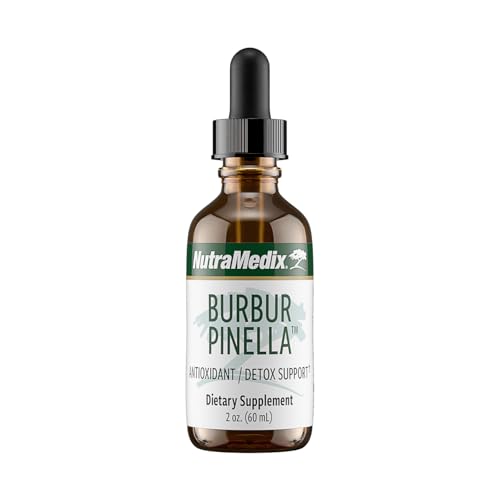
Buying Guide On How Do You Diagnose Pans
1. Understand the Symptoms
Notice sudden stomach pain lasting more than a few days. Check for fever or vomiting. Watch for tiredness and loss of appetite. These signs often suggest PANS.
2. Visit a Healthcare Professional
Schedule an appointment with a doctor or pediatrician. Explain all symptoms clearly and honestly. Doctors can guide you on the next steps.
3. Get Medical Tests Done
Blood tests help find infections or inflammation. Brain scans might be needed to check for brain issues. Testing helps rule out other conditions.
4. Review Medical History Thoroughly
Doctors will ask about past infections or illnesses. Family history of autoimmune diseases may be important. This information supports an accurate diagnosis.
5. Observe Behavioral Changes
Look for sudden mood swings or anxiety. Note any new obsessive thoughts or tics. These changes can be signs of PANS.
6. Follow Up for Specialist Care
Referral to a neurologist or psychiatrist might be needed. Specialists provide detailed evaluation and treatment plans. Continuous care improves health outcomes.
Conclusion
Diagnosing PANS requires careful attention to symptoms and medical history. Doctors use specific tests to rule out other conditions first. Early diagnosis helps start the right treatment quickly. Families should share all changes in behavior and health with doctors. This helps guide accurate diagnosis and support.
Understanding the process makes it less scary and more manageable. If you notice sudden changes in a child’s mood or actions, don’t wait to get help. Clear communication with healthcare providers is key. Remember, diagnosing PANS is about gathering clues step-by-step.
Patience and teamwork between families and doctors lead to better care. Staying informed and aware supports the child’s well-being and future health.
