
Have you ever stood at your kitchen sink, scrubbing a pan, wondering if soap is actually okay to use? It’s confusing and a little frustrating.
You want your pans clean, but you don’t want to ruin their surface or leave a bad taste behind. Choosing the right cleaning method can save you time and stress every day. The good news is, with the right products, washing pans becomes simple and even enjoyable.
I’ll help you understand the best way to clean your pans and recommend some great products that make the job easier. If you’ve ever felt unsure about washing pans with soap, keep reading. You’re not alone, and the answers you need are just ahead.
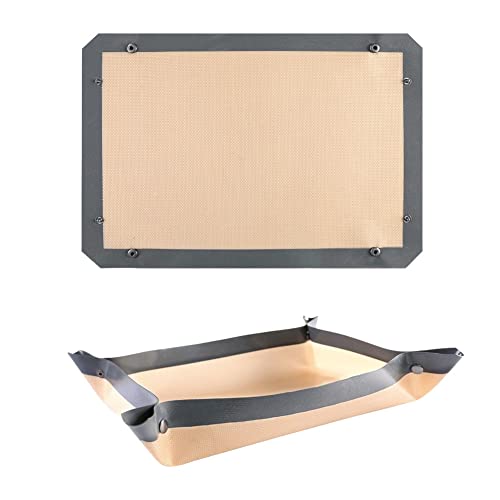
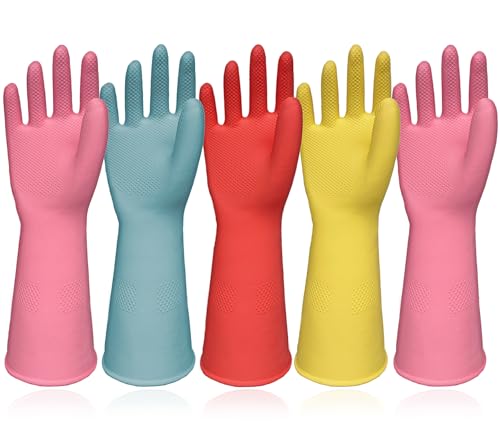
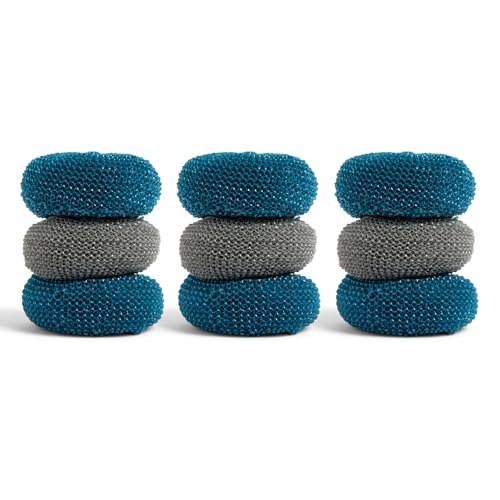
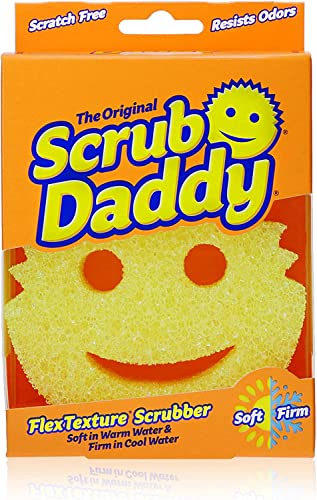
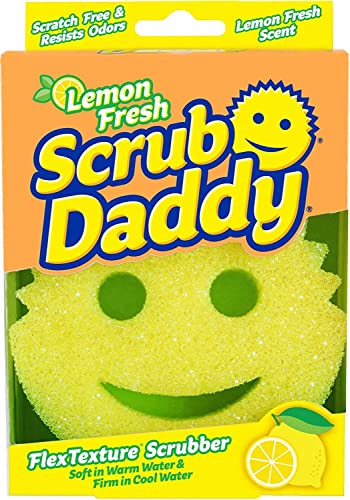
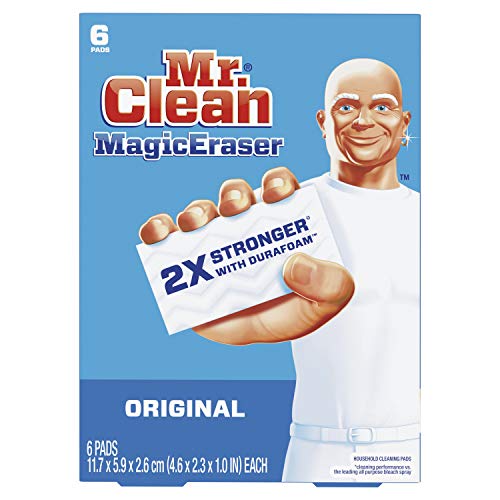
Buying Guide On Are You Supposed To Wash Pans With Soap
1. Check the Pan Material
Different pans need different cleaning methods. Some materials can lose their coating with soap. Cast iron and non-stick pans often require gentle care. Stainless steel pans usually handle soap well.
2. Use Mild Soap for Most Pans
Regular dish soap is safe for most pans. It removes grease and food easily. Avoid harsh chemicals that can damage the surface. Use warm water with a small amount of soap.
3. Avoid Soap for Cast Iron Pans
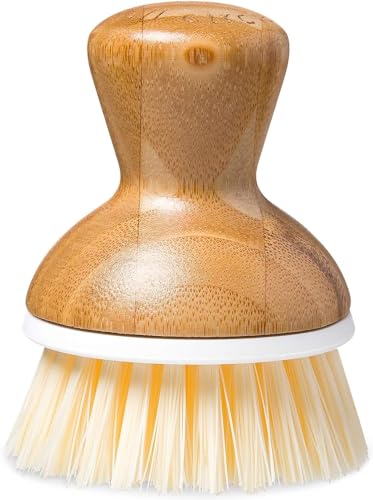
Soap can strip the seasoning on cast iron. Clean cast iron with hot water and a brush instead. Dry it well to prevent rust. Reapply a thin layer of oil after cleaning.
4. Be Careful with Non-Stick Pans
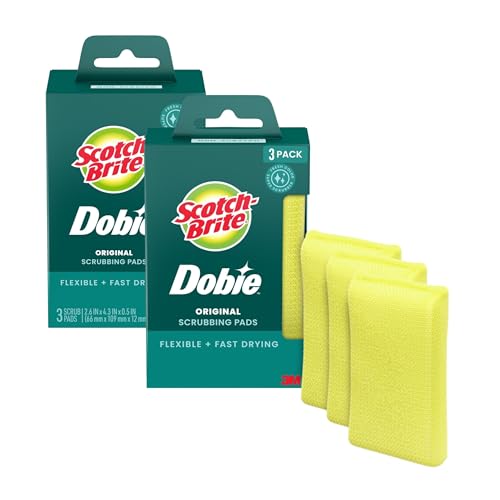
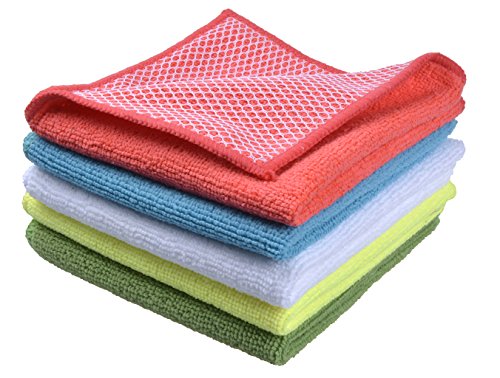
Soap is okay, but avoid abrasive scrubbers. Scratches can ruin the non-stick coating. Use soft sponges or cloths for cleaning. Rinse thoroughly to remove all soap residue.
5. Rinse and Dry Thoroughly
Soap residue can affect taste and food safety. Always rinse pans well after washing. Dry pans immediately to stop rust and water spots. Proper drying keeps pans in good shape.
6. Remove Stubborn Food with Soaking
Soak pans in warm, soapy water for tough stains. This softens stuck-on food for easier cleaning. Avoid long soaking for cast iron pans. Use gentle scrubbing after soaking.
Conclusion
Washing pans with soap is usually a good idea. Soap helps remove grease, food bits, and bacteria. It keeps your pans clean and safe for cooking. Some pans need special care, like cast iron or non-stick pans. For these, use soap carefully or follow the maker’s advice.
Rinsing well after washing is important to avoid soap residue. Sometimes, hot water and scrubbing alone can clean light messes. But for tough stains or oily pans, soap works best. Clean pans last longer and cook better. So, using soap is mostly helpful and healthy.
Just remember to know your pan type and clean it right. That way, your pans stay in good shape and your food tastes great. Simple steps can make a big difference in kitchen hygiene. Keep your pans clean, and enjoy cooking every meal.
