
Have you ever tried cooking your favorite meal, only to find food stuck to the pan? It’s frustrating and wastes time scrubbing.
Non-stick pans promise an easy cooking experience, but not all are the same. Choosing the right one can change your daily routine. A good non-stick pan makes cooking smooth and cleanup quick. It helps you enjoy meals without the stress.
If you’ve struggled with pans that lose their coating or don’t heat well, you’re not alone. Finding the best way to use non-stick pans starts with picking the right product. I’ll share tips and recommend top pans that make cooking easier. Keep reading to discover how the right pan can bring joy back to your kitchen.
Buying Guide On Best Way To Use Non Stick Pans
1. Preheat the Pan Gently
Start heating the non-stick pan on low to medium heat. Avoid high heat to protect the coating. Wait a few minutes before adding food.
2. Use the Right Cooking Oil
Choose oils with high smoke points like canola or vegetable oil. Use a small amount to avoid sticking and burning. Spread oil evenly on the surface.
3. Select Proper Utensils
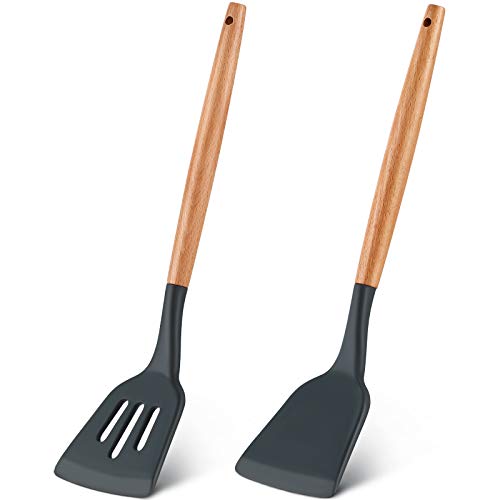
Use wooden, silicone, or plastic tools to avoid scratching. Metal utensils can damage the non-stick layer. Handle the pan gently during cooking.
4. Avoid Overheating the Pan
Non-stick pans work best on low to medium heat settings. Overheating can break down the coating and release harmful fumes. Turn off the heat if the pan gets too hot.
5. Clean Carefully After Use
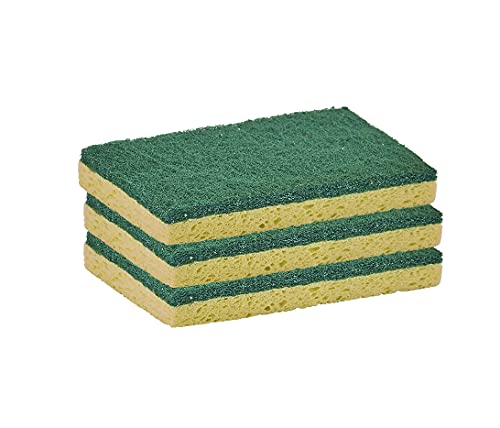
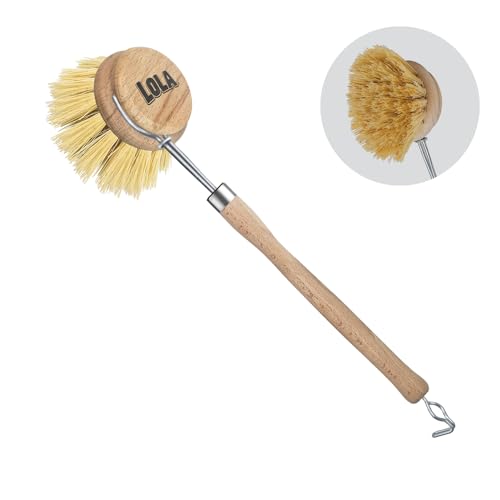
Let the pan cool before washing to prevent warping. Use warm water, mild soap, and a soft sponge. Avoid abrasive cleaners and steel wool.
6. Store the Pan Properly
Stack pans with a soft cloth or paper towel in between. This prevents scratches on the non-stick surface. Store in a dry place to avoid rusting.
7. Avoid Cooking Sprays
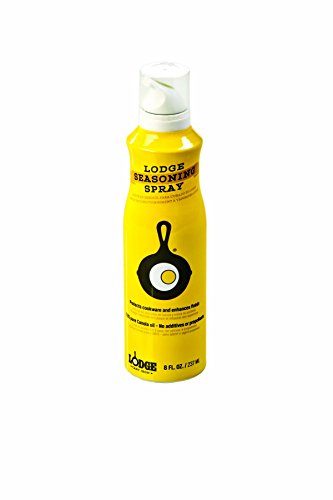
Cooking sprays can leave a sticky residue on non-stick pans. Use a small amount of oil or butter instead. Clean the pan regularly to remove buildup.
Conclusion
Using non-stick pans the right way helps you cook better and keep your pans longer. Always use low to medium heat to protect the coating. Avoid metal utensils that can scratch the surface. Clean your pans gently with soft sponges and mild soap.
Store them carefully to stop damage. These simple steps make cooking easier and healthier. You save money by not needing to replace pans often. Non-stick pans are great for cooking eggs, pancakes, and delicate foods. Taking good care means better meals and less stress in the kitchen.
Remember, small habits make a big difference. Enjoy your cooking time with non-stick pans that last and perform well every day.
