

Have you ever struggled to cook a simple meal, only to find your food sticking to the pan? It’s frustrating and wastes time cleaning.
Non-stick pans promise easy cooking, but they often don’t live up to the hype. Sometimes, they scratch, peel, or lose their coating quickly. This can ruin your meals and make you feel like you’re back at square one. Choosing the right pan changes everything.
It makes cooking smoother and cleanup faster. When you pick a good pan, you enjoy your time in the kitchen more. I’ll explain why non-stick pans might not be the best choice. I’ll also share better options to help you cook with ease and joy. Keep reading to find the perfect pan for your kitchen needs.


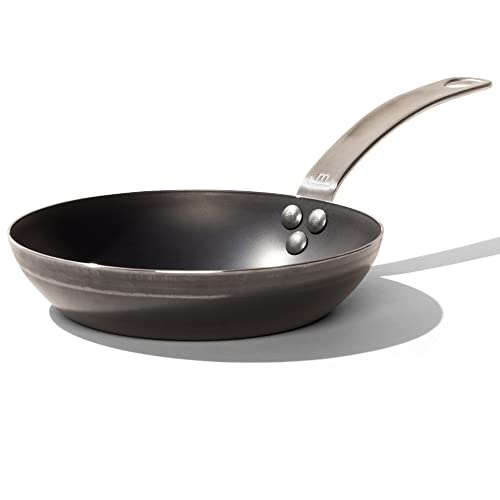

Buying Guide On Why Non Stick Pans Are Bad
1. Non-Stick Coating Can Wear Off
Over time, the non-stick layer may peel or scratch easily. This can cause flakes to mix with food. Using metal utensils makes this problem worse. Once damaged, the pan loses its non-stick benefits.
2. Heat Limits Affect Cooking
Non-stick pans cannot handle very high heat. Cooking at high temperatures may release harmful fumes. These fumes can irritate the lungs and eyes. Sauteing or frying at low to medium heat is safer.
3. Chemicals in Non-Stick Pans May Be Harmful
Some pans contain chemicals like PFOA or PTFE. These substances can be toxic if ingested over time. Choosing pans without these chemicals is a safer option. Look for labels that confirm chemical-free coatings.
4. Non-Stick Pans Are Less Durable
Compared to stainless steel, non-stick pans break down faster. The coating can chip off with regular use. This means you may need to replace the pan often. Investing in a more durable pan might save money long term.
5. Cleaning Requires Careful Handling
Harsh scrubbing can damage non-stick surfaces easily. Avoid steel wool or abrasive cleaners. Use soft sponges and mild soap instead. Proper cleaning extends the pan’s life and keeps it safe.
6. Not Suitable for All Cooking Methods
Non-stick pans do not brown food well. They are not good for searing or browning meat. For recipes needing high heat, other pans work better. This limits the types of dishes you can prepare.
Conclusion
Non-stick pans may seem convenient, but they come with several hidden problems. The coating can wear off, releasing harmful chemicals into your food. This not only affects your health but also reduces the pan’s lifespan. Scratches and damage are common, making the pan unsafe to use.
Cleaning these pans can be tricky, as harsh scrubbing can ruin the surface. Choosing other types of cookware, like stainless steel or cast iron, can be safer and last longer. These options may need more care but avoid the risks linked to non-stick pans.
Think about your health and the environment before buying. Simple changes in the kitchen can make a big difference. The drawbacks of non-stick pans should not be ignored. It is better to invest in cookware that keeps you safe and cooks well for years.
