
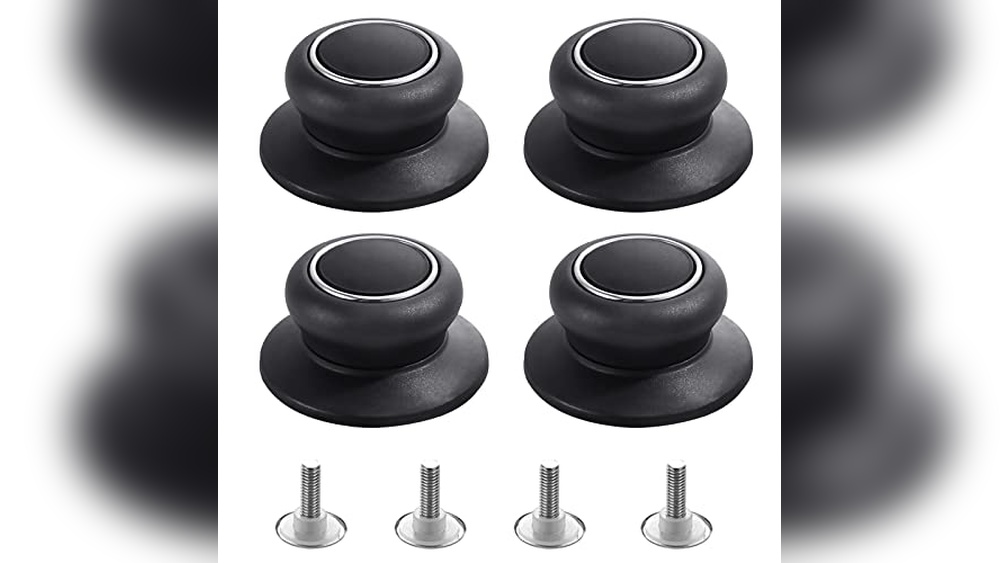
The main difference lies in design and grip style, affecting comfort and compatibility.
After reading, you’ll know which replacement handle suits your daily cooking routine.
Quick Guide To Choosing Replacement Cookware Handles
- Choose the Redchef Removable Handle if you want a versatile, detachable solution that fits many cookware types.
- Pick the Chewtoyo Detachable Handle when you prefer a heat-proof grip with a wood grain design and secure buckle attachment.
- If you need easy removal for space-saving storage, both handles offer detachment, but Redchef is optimal for stacking.
- Go for Chewtoyo if you want a longer handle length for comfort during cooking sessions.
- If slip resistance and firm grip are priorities, Redchef’s striped rubber handle provides extra stability.
Living With Replacement Handles In Everyday Cooking
The Redchef Removable Handle offers great convenience for switching between cooking, serving, and storage. Its easy detachment lets you save cabinet space, and the slip-resistant grip feels secure while handling hot pots. I found it straightforward to attach and remove without tools, which suits a busy kitchen flow.The Chewtoyo Detachable Handle excels with its heat-proof wood grain grip and firm buckle attachment. It feels sturdy and safe when lifting pots, and the longer handle length adds comfort. Cleaning is simple since it can be wiped or rinsed easily, making it a dependable choice for frequent cooking.
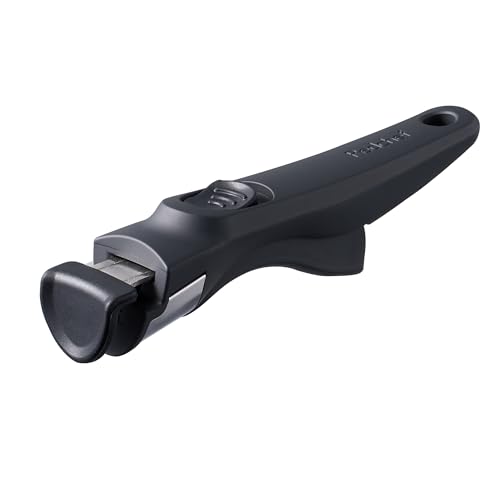
Redchef Removable Handle At A Glance
Where Redchef Handle Fits Best
- Ideal for cookware with vertical edges needing a detachable handle.
- Saves up to 75% cabinet space with easy handle removal for stacking.
- Offers good slip resistance with striped rubber grip.
- Works well transitioning pots from stove to oven and fridge.
Where Redchef Handle Struggles
- May feel less secure if the rubber grip wears down over time.
- Not suitable for pots without compatible edge designs.
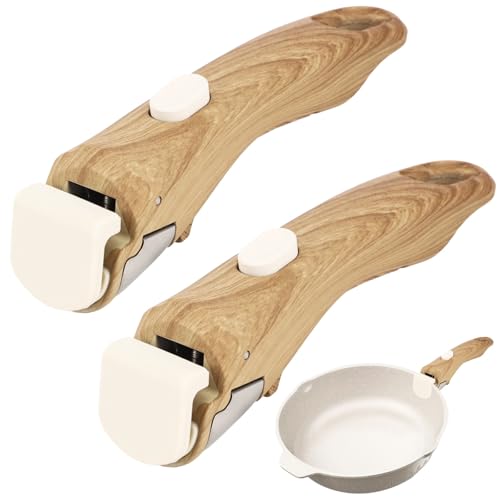
Chewtoyo Detachable Handle At A Glance
Where Chewtoyo Handle Fits Best
- Great for cookware needing a sturdy, heat-proof grip.
- Secure buckle attachment prevents accidental detachment.
- Wood grain design adds a comfortable, ergonomic feel.
- Removable for easy cleaning and storage.
Where Chewtoyo Handle Struggles
- Longer handle may be less convenient for small kitchens.
- Buckle design may require a bit more effort to attach and detach.
Comparing Two Popular Replacement Handles For Cookware
I compared these handles based on daily usability, comfort, security, and ease of installation. Both handles detach easily but differ in grip style and attachment design. The Redchef handle feels better for quick detach and space-saving, while Chewtoyo offers a firmer grip with its buckle. Cleaning and heat resistance were also part of the comparison to see which holds up better in regular kitchen use.Which Handle Provides Better Grip and Safety?
Both handles provide good grip, but their designs differ. Redchef uses striped rubber for slip resistance, while Chewtoyo has a heat-proof wood grain grip with a buckle for secure hold.| Aspect | Redchef Handle | Chewtoyo Handle |
|---|---|---|
| Grip Material | Striped rubber | Heat-proof wood grain |
| Attachment | Snap-on detachable | Buckle with screw |
| Slip Resistance | High due to rubber | Moderate with secure buckle |
| Heat Protection | Good insulation | Heat-proof material |
How Easy Is Installation and Removal?
Both handles are removable, but their mechanisms differ. Redchef snaps on and off quickly, while Chewtoyo uses a buckle requiring slightly more effort.| Aspect | Redchef Handle | Chewtoyo Handle |
|---|---|---|
| Installation | Quick snap-on | Buckle attachment |
| Removal | Easy and fast | Secure but slower |
| Tools Needed | None | None |
| Storage Convenience | Optimized for stacking | Compact but less so |
| Learning Curve | Minimal | Low |
Comfort During Cooking
Comfort varies by handle length and grip shape. Chewtoyo offers a longer handle with ergonomic design, while Redchef focuses on a secure, comfortable rubber grip.| Aspect | Redchef Handle | Chewtoyo Handle |
|---|---|---|
| Handle Length | Shorter | Longer (7.48 in) |
| Grip Shape | Curved with rubber | Ergonomic wood grain |
| Hand Fatigue | Low | Low |
| Heat Comfort | Good insulation | Heat-proof grip |
Durability and Maintenance
Both handles offer easy cleaning, but material differences affect durability. Redchef’s rubber may wear faster; Chewtoyo’s wood grain material handles heat well.| Aspect | Redchef Handle | Chewtoyo Handle |
|---|---|---|
| Material | Rubber and plastic | Heat-proof plastic with wood grain |
| Cleaning | Wipe or rinse easily | Wipe or rinse easily |
| Wear Resistance | Moderate | Good |
| Heat Resistance | Good | Better |
Living With Replacement Handles Over Time
Both handles have a short learning curve since installation is straightforward, even for those unfamiliar with detachable parts. Consistency in fit and ease of removal provide peace of mind, knowing you can quickly replace or clean them without hassle.Trust builds as the handles prove durable through daily use. Redchef offers convenience, while Chewtoyo provides reliability in grip and heat protection. Both deliver practical solutions that reduce the need to replace cookware entirely.
Choosing The Right Replacement Handle For Your Cookware
If you value quick installation, space-saving storage, and good slip resistance, the Redchef Removable Handle is a solid choice. It fits various cookware types and suits busy kitchens where convenience matters most.For those who prioritize a longer, ergonomic handle with heat-proof materials and secure attachment, the Chewtoyo Detachable Handle is preferable. It offers comfort and durability, ideal for frequent cooking sessions.
Both handles extend cookware life thoughtfully, so your choice depends on your kitchen habits and comfort preferences.
Common Questions About Replacement Handles And How Often Should Cookware Be Replaced
How often should cookware handles be replaced?
Handles should be replaced when they show signs of damage, looseness, or heat damage. Regular checks help maintain safety and usability. Replacement parts can extend cookware life significantly.
Can I replace handles myself without professional help?
Yes, most replacement handles come with easy installation instructions. No special tools are usually required, making it a simple DIY task for most users.
Are universal replacement handles compatible with all pots and pans?
Universal handles fit many cookware types but always check compatibility with your pot or pan edge design. Some handles work best with vertical edges or specific mounting systems.
How do I clean and maintain detachable handles?
Most detachable handles can be wiped with a damp cloth or rinsed under water. Avoid harsh chemicals and inspect regularly for wear or damage.
Does replacing a handle affect cookware safety?
Replacing a worn or damaged handle improves safety by ensuring a secure grip and reducing burn risks. Always use compatible parts designed for your cookware.
Can replacing handles affect cookware warranty?
Some manufacturers may void warranties if non-original parts are used. Check your cookware’s warranty details before replacing handles.
Is it cheaper to replace handles than buying new cookware?
Generally, replacing handles is more economical and environmentally friendly than buying new cookware. It helps you keep using your pots and pans longer.
